Hong Kong Spring Auction 2026

LOT 224
YAMADA Masaaki
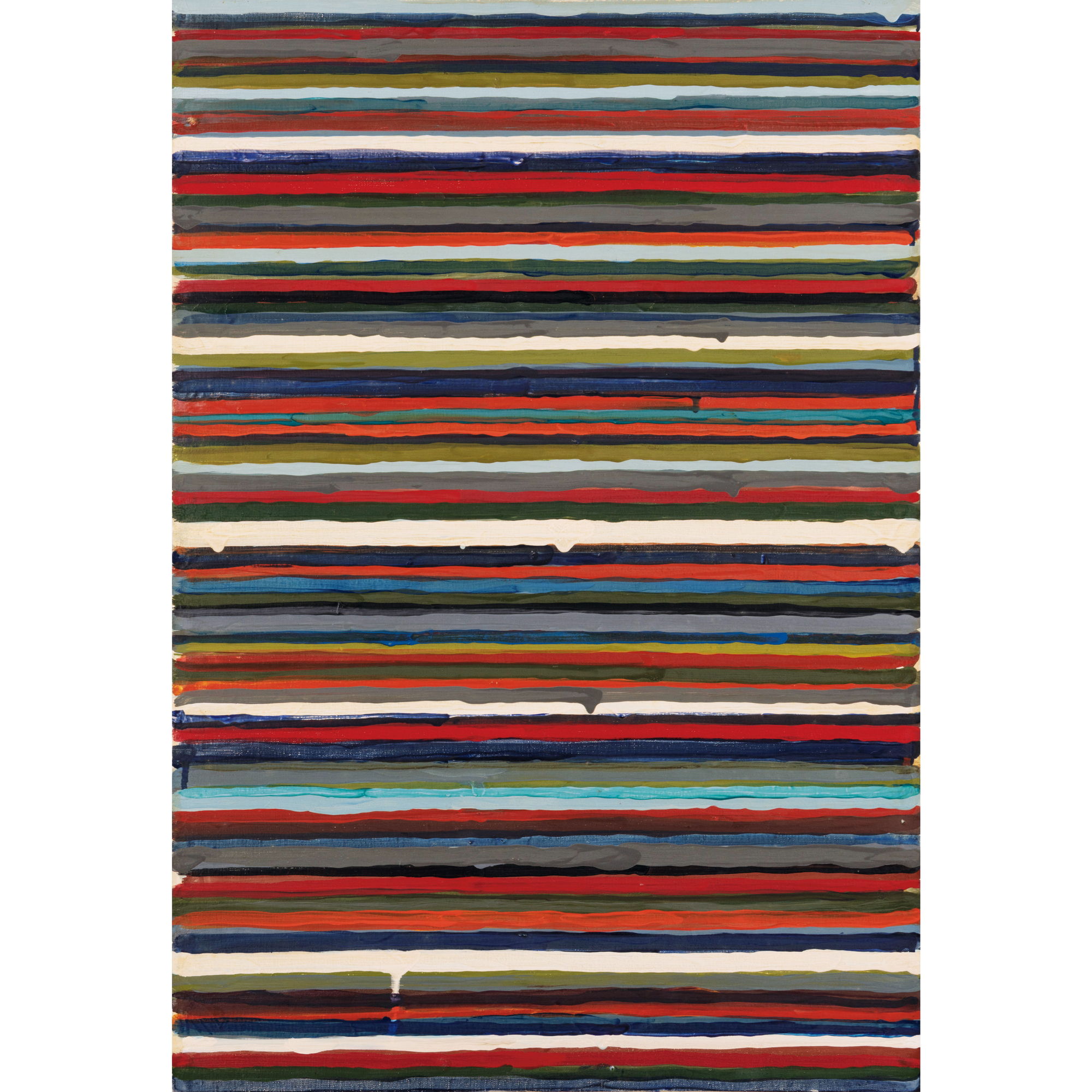
WORK C-39
| Technique | oil on canvas |
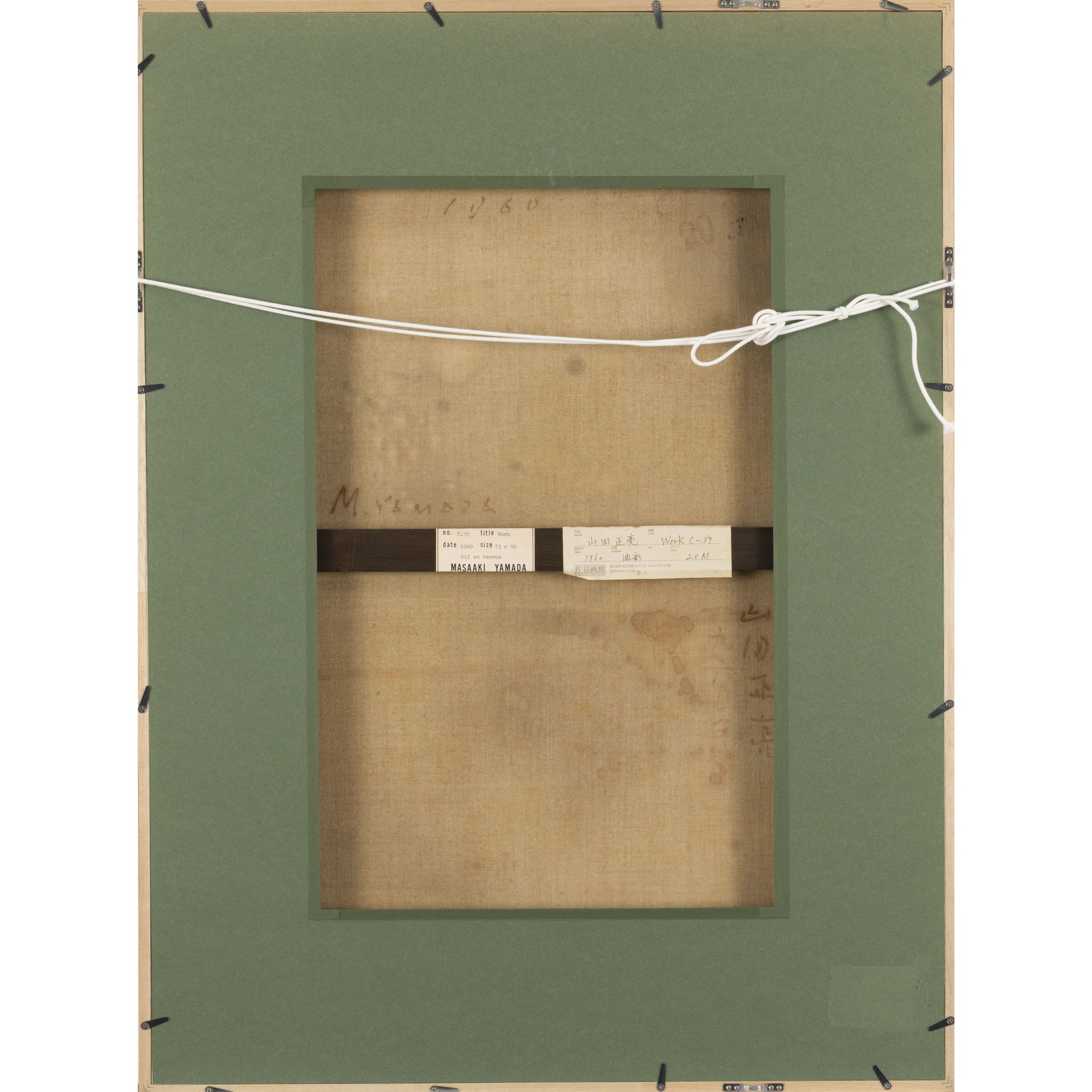
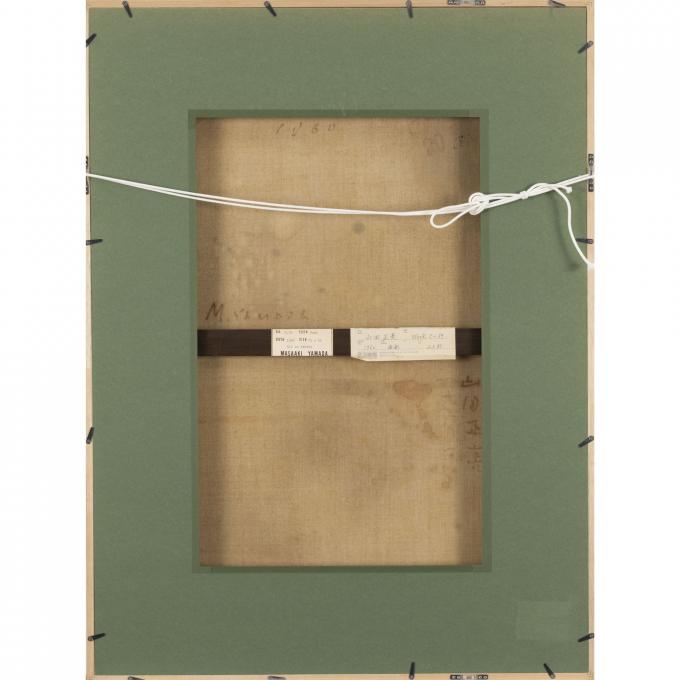
| Signature | signed and dated on the reverse; label of "Satani Gallery" and artist label on the reverse of the frame |
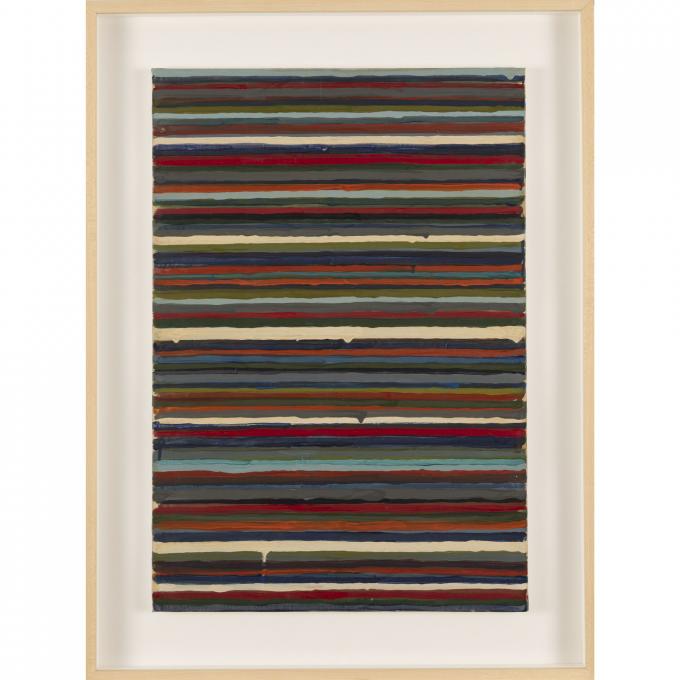
| Frame | framed |
| Size | 73.0×50.0 cm |
| Year of the work | 1960 |
HIGHLIGHT
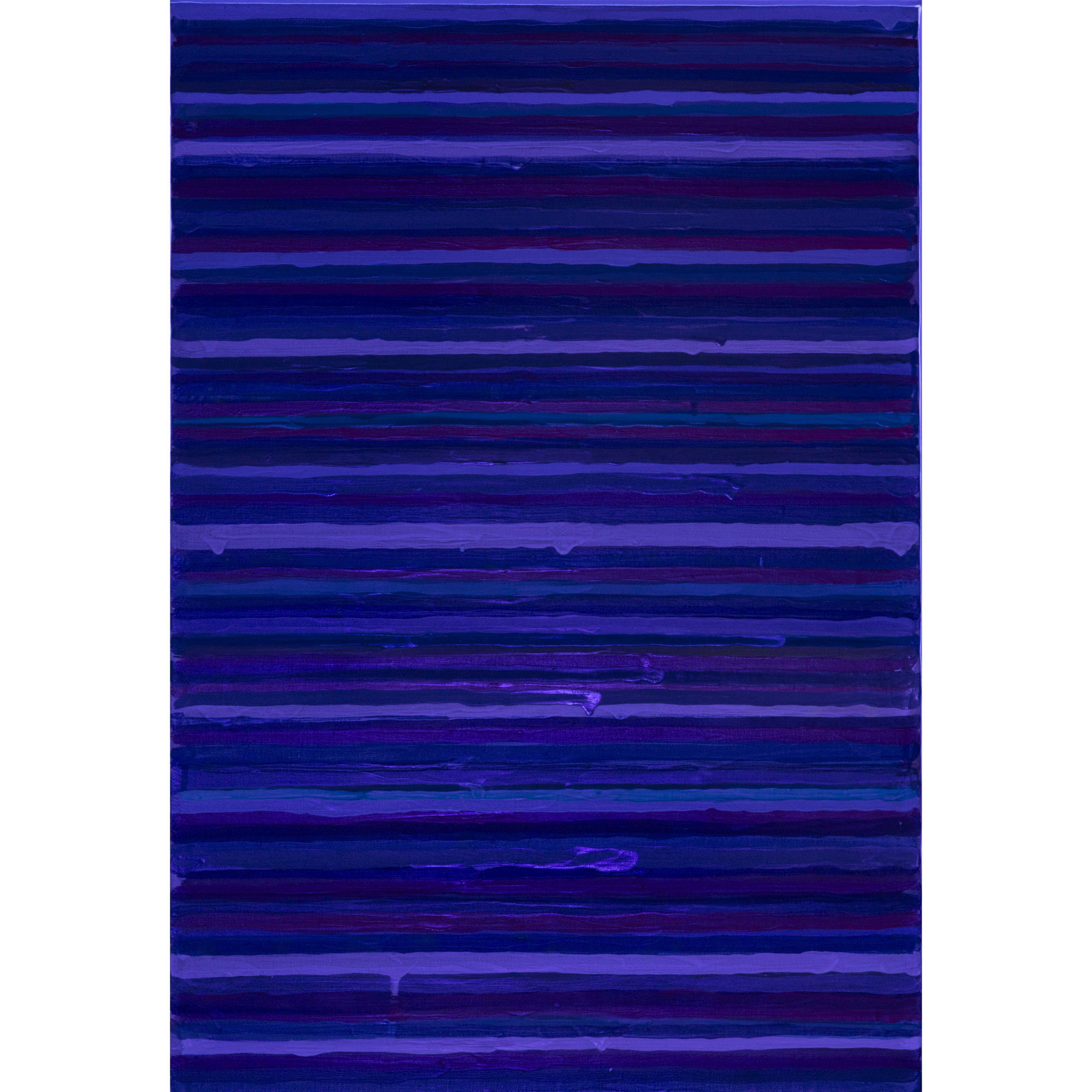
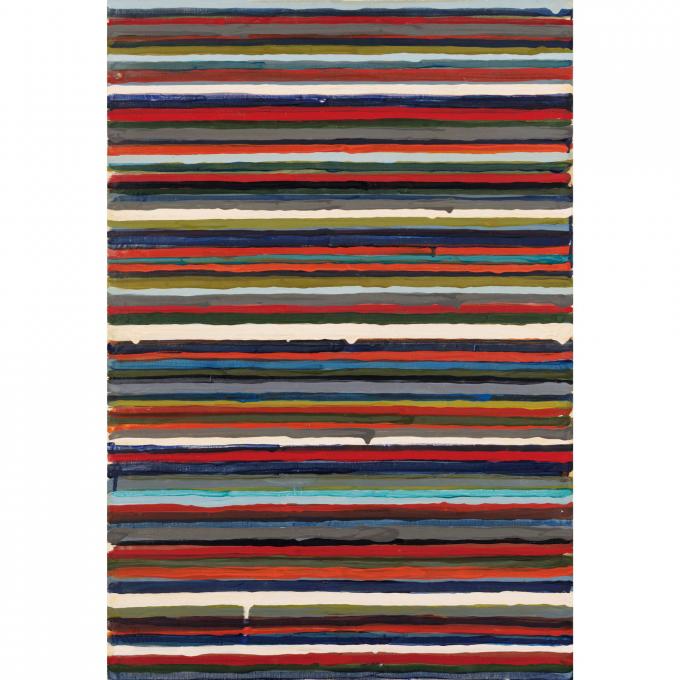
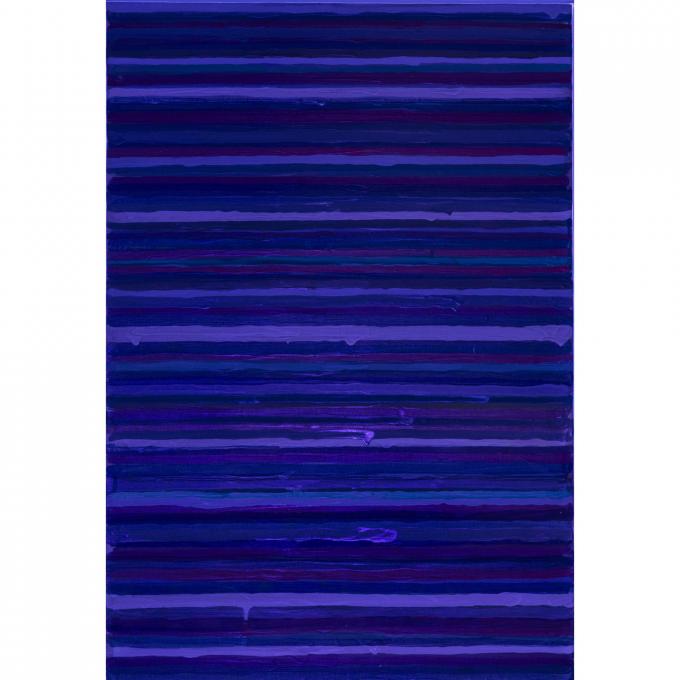
Work C-39, executed in oil on canvas in 1960, is an important example of the artist’s signature stripe composition. Works produced around 1960 are widely regarded as marking the full maturation of Masaaki Yamada’s formal investigations. In this painting, the all-over stripe structure and restrained palette establish a rigorous sense of order charged with tension. While the composition may initially appear as a simple repetition, subtle variations in line width and color generate rhythm across the surface, resulting in a work that is both serene and powerfully present.
A distinctive feature of the early stripe works lies in the unevenness of the lines and the occasional slight drips of oil paint, which preserve visible traces of the artist’s physical process. Compared to the more uniform and systematized stripes of his later years, these early examples embody a more immediate and palpable formal tension. As such, they are now highly regarded as works in which Yamada’s thought and gesture are directly materialized on the canvas.
Born in Tokyo in 1929, Masaaki Yamada began his artistic practice independently in the early postwar period. Although he initially engaged with figurative motifs, he gradually distanced himself from representational imagery, turning instead toward a constructive language of color fields and linear structures. From the late 1950s onward, he devoted himself to abstract compositions employing continuous lines and band-like forms, and around 1960 he developed the “Work” series, structured around the stripe motif. For the remainder of his career, he persistently explored the same subject, investigating the possibilities of painting itself through subtle shifts in color, line width, and compositional structure.
In recent years, Yamada has undergone significant reevaluation both in Japan and internationally, and his distinct position within the history of postwar abstraction has become increasingly clear. His sustained commitment to a single formal problem resonates with Minimal and Conceptual art practices, leading to growing recognition within a broader global context. Through the fundamental principles of repetition and difference, Yamada sought to approach the very essence of visual experience—an endeavor that continues to hold fresh relevance today.