Hong Kong Spring Auction 2026

LOT 236
SHIRAGA Kazuo
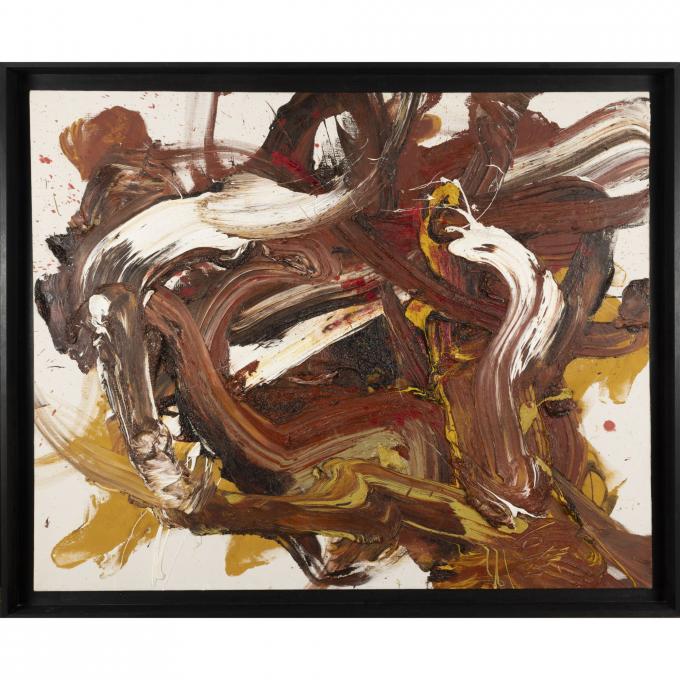
AUSPICIOUS TRANSFORMATION
| Technique | oil on canvas |
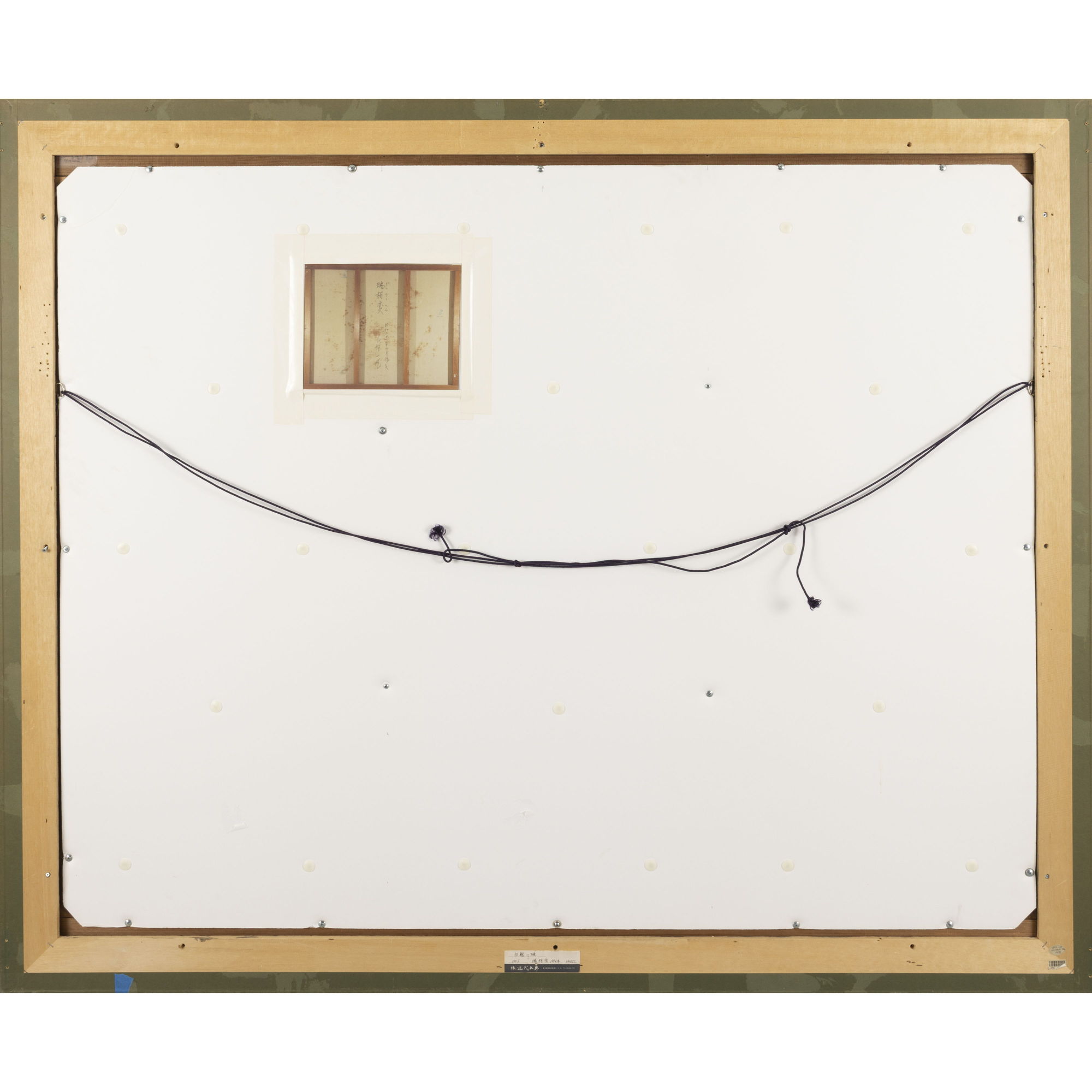
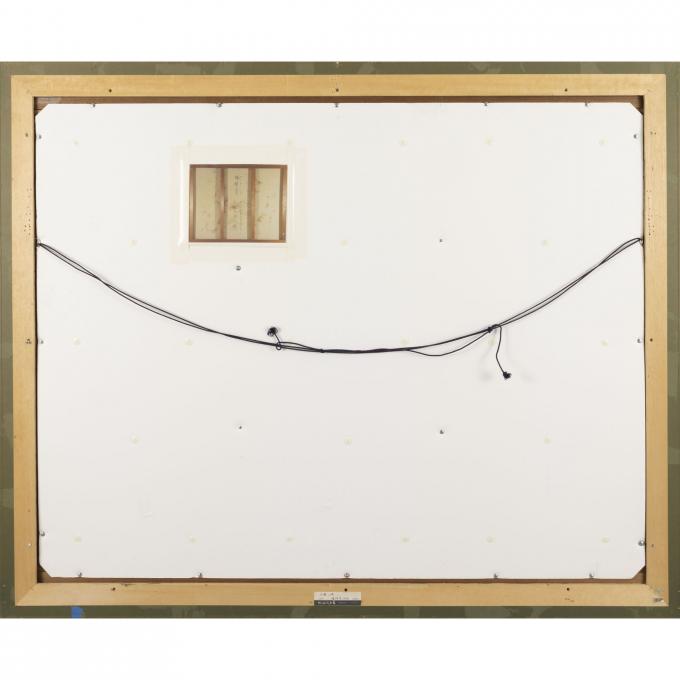
| Signature | signed, titled and dated on the reverse |
| Frame | framed |
| Size | 130.0×160.0 cm |
| Year of the work | 1986 |
| Certificate | certificate of registration by Japan Art Dealers Association |
HIGHLIGHT
Kazuo Shiraga was one of the leading figures of the postwar Japanese avant-garde collective Gutai Art Association. Founded in Japan in 1954 by Jiro Yoshihara, the Gutai group advocated an art grounded in materiality and the body, emphasizing creative freedom and individual expression in response to postwar reflections on rigid systems and the culture of wartime obedience. For Gutai artists, art was not merely a formal exploration, but a practice aimed at liberating viewers from fixed ideas and social conventions. Shiraga’s work exemplifies Gutai’s radical pursuit of corporeality and material presence. Abandoning the traditional use of the brush, he employed his feet as his primary tools: gripping a suspended rope with both hands, he would swing his body above the canvas laid on the floor, dragging, rotating, and pushing paint with his feet, generating an explosive dynamism and an intense sense of material force across the surface.
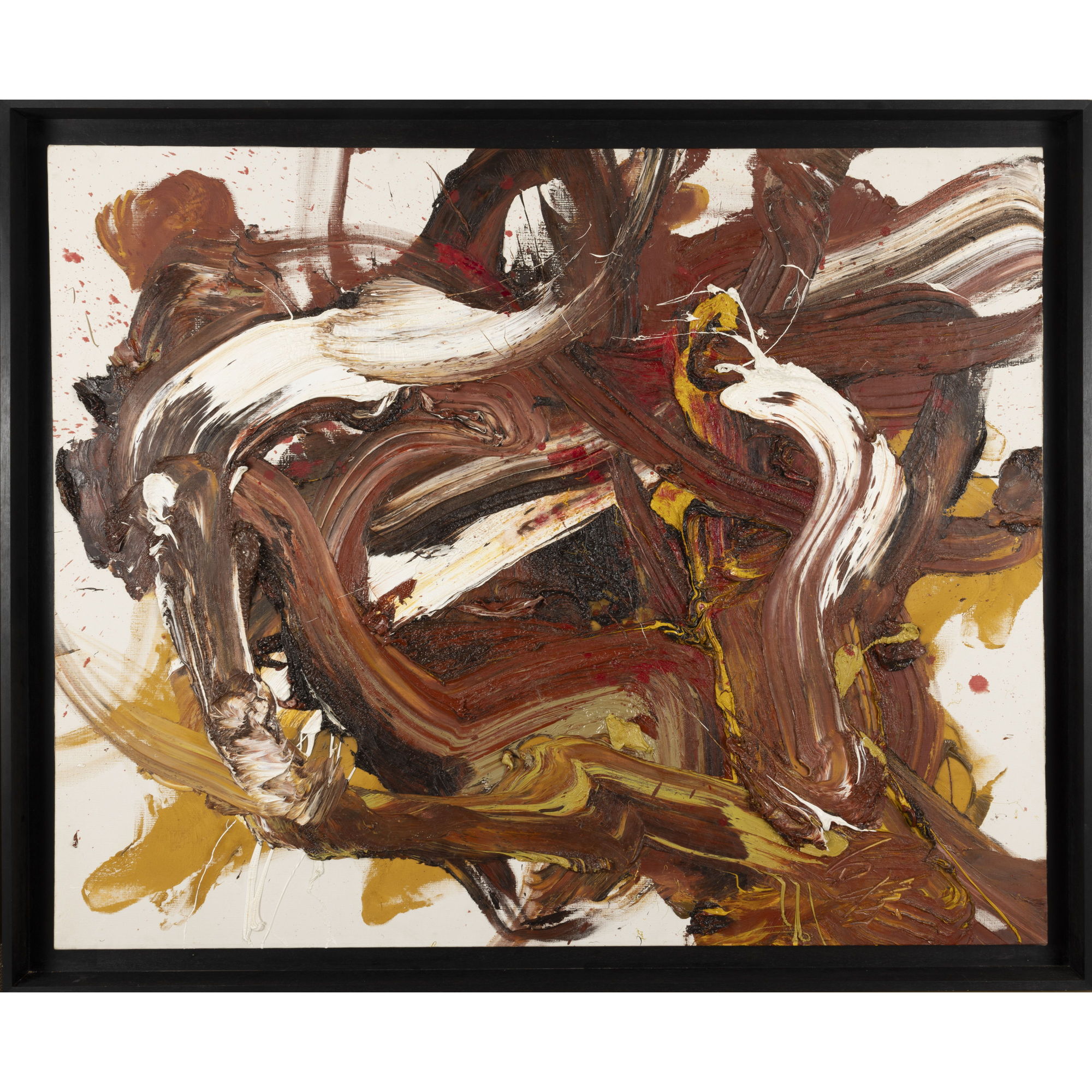
Zuisouhen (Auspicious Transformation), created in 1986, belongs to the mature phase of the artist’s career. From the 1970s onward, Shiraga increasingly incorporated Buddhist thought into his artistic vocabulary, often drawing his titles from Buddhist terminology. In Buddhism, “zuisou” refers to an auspicious sign—a manifestation of sacred power or a portent of a significant moment. The term “zuisouhen” further denotes the actual appearance of such an auspicious sign within a given setting, transformed into a concrete and visible scene—an embodied vision of the miraculous. Combined, the title conveys the idea of “the manifestation and transformation of a sign,” suggesting the conversion of intangible spiritual perception into visible color, form, and texture, and evoking the outward unfolding of sacred energy.
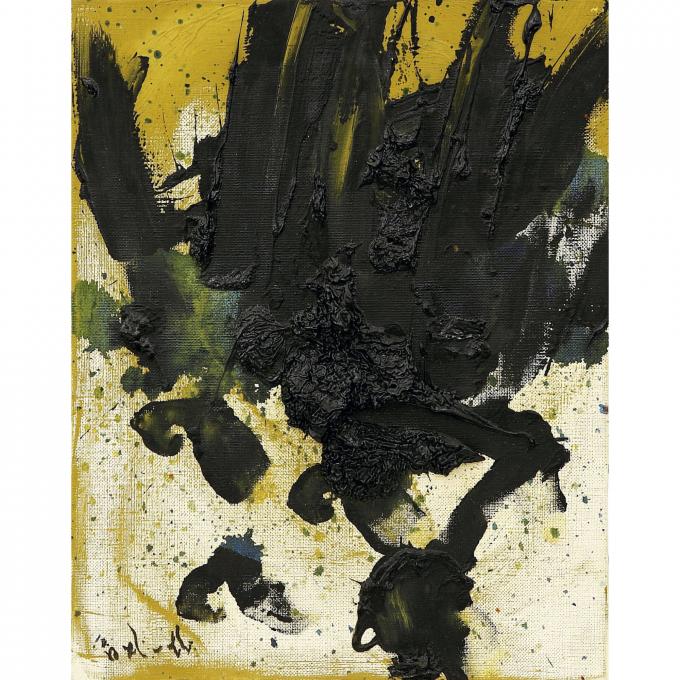
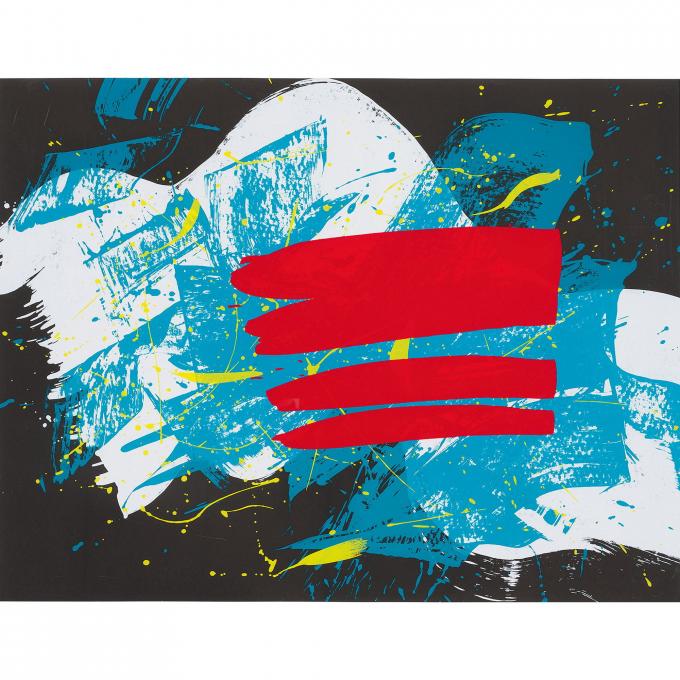
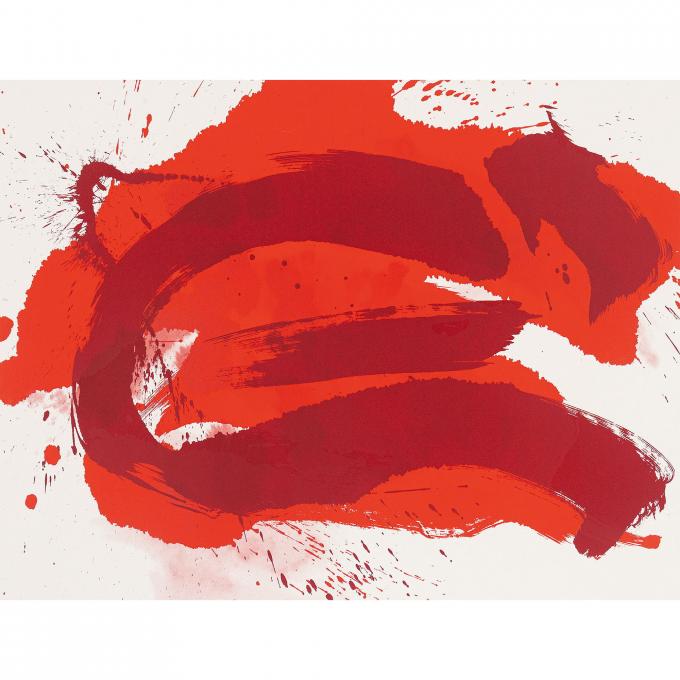
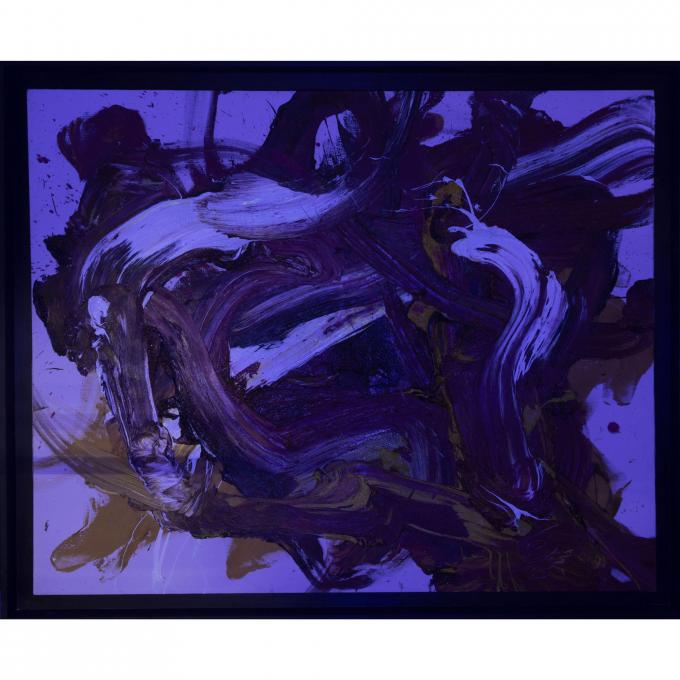
The animated strokes across the canvas are in fact direct traces of the artist’s bodily movement—at times swift and unrestrained, at others weighty and contemplative—forming a rhythmic visual cadence that subtly recalls the flowing brushwork of cursive script in East Asian calligraphy. Thickly layered oil paint acquires an almost sculptural texture and mass. Red pigment surges and accumulates like coursing energy; flashes of yellow emerge and recede, heightening luminosity and tension; deep black spreads as a grounding base, punctuated by touches of white that enrich the chromatic structure with depth and vibration. The work seems to radiate powerful spiritual energy from within, bearing witness to Shiraga’s unique method of fusing bodily action, inner will, and material paint into a unified artistic expression.