Hong Kong Spring Auction 2026


LOT 238
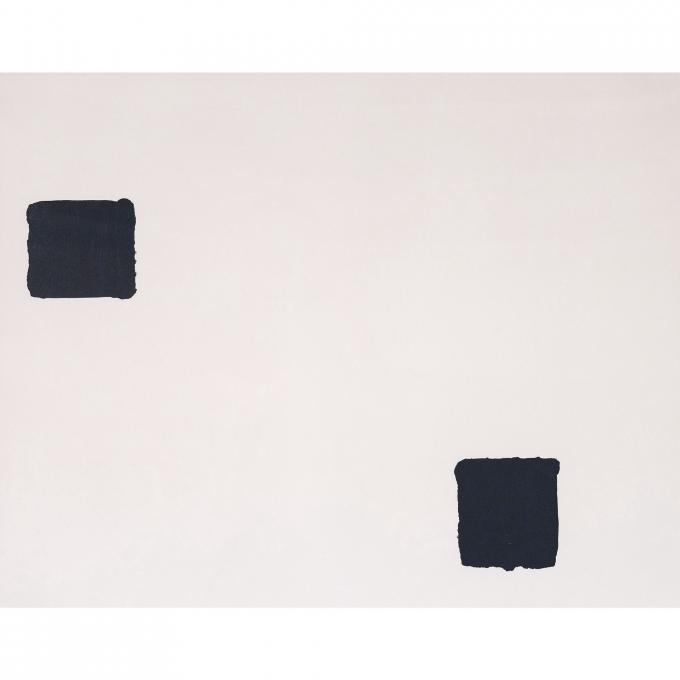
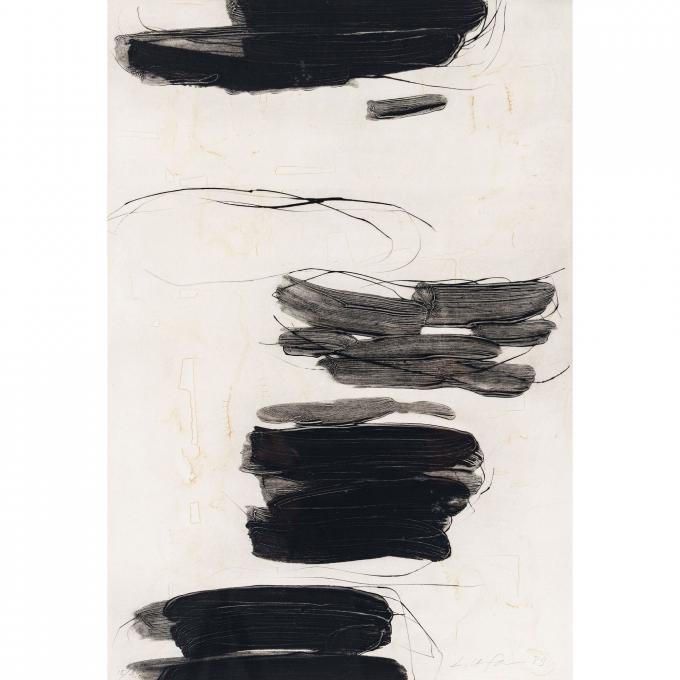
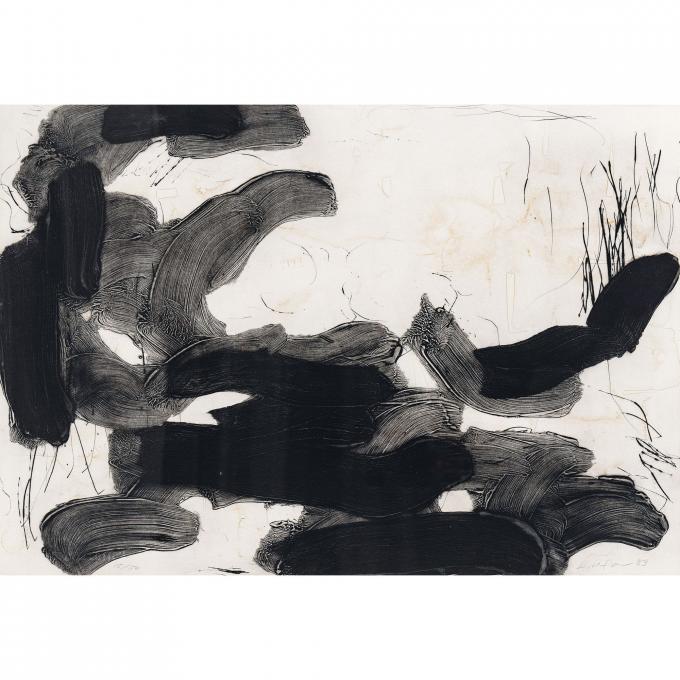
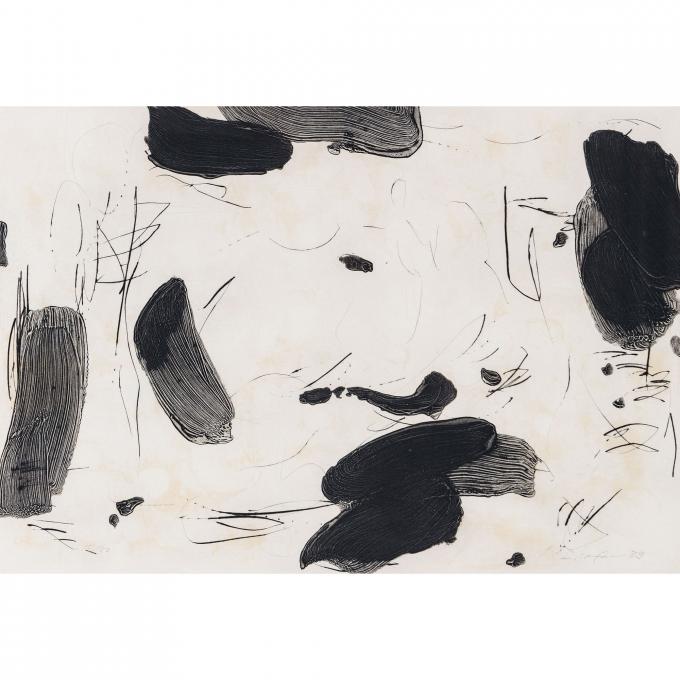
LEE U-Fan
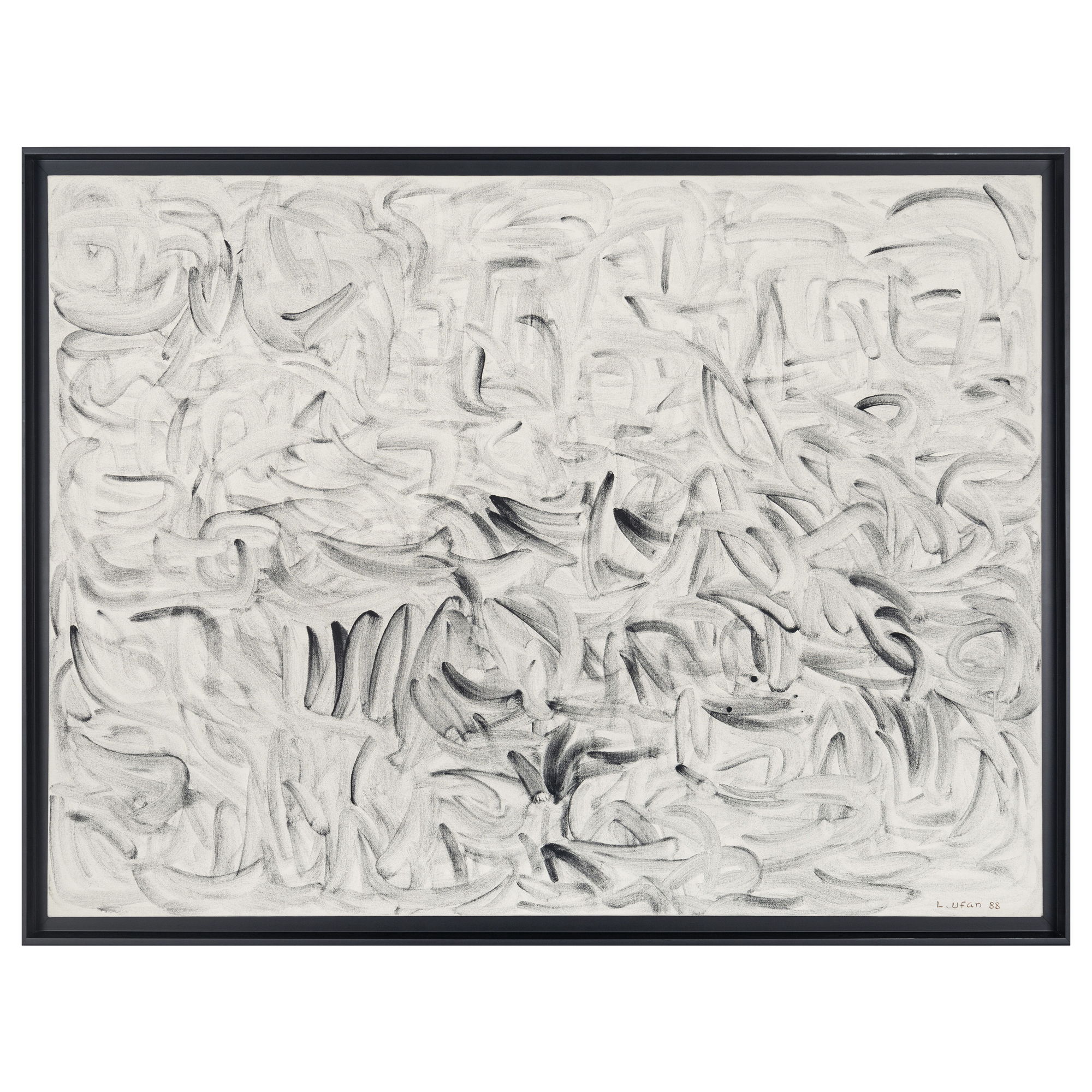
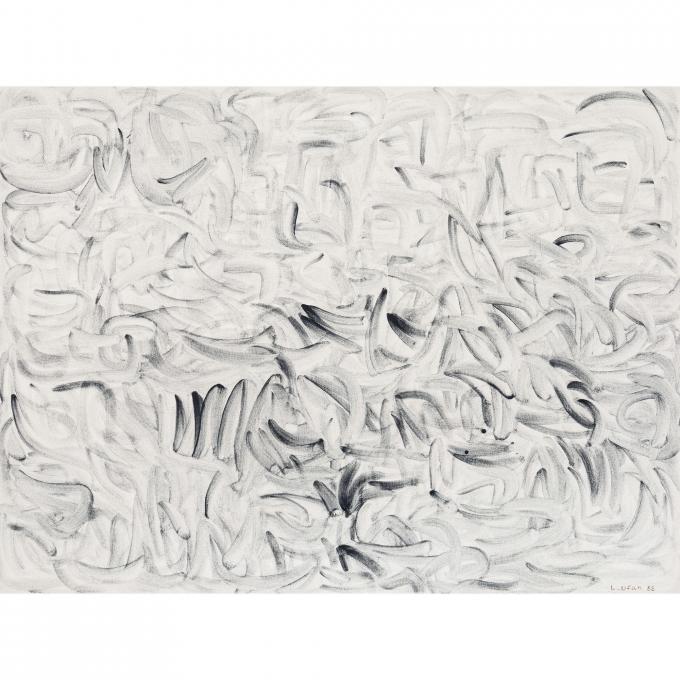
WITH WINDS
| Technique | mineral pigment and animal glue on canvas |
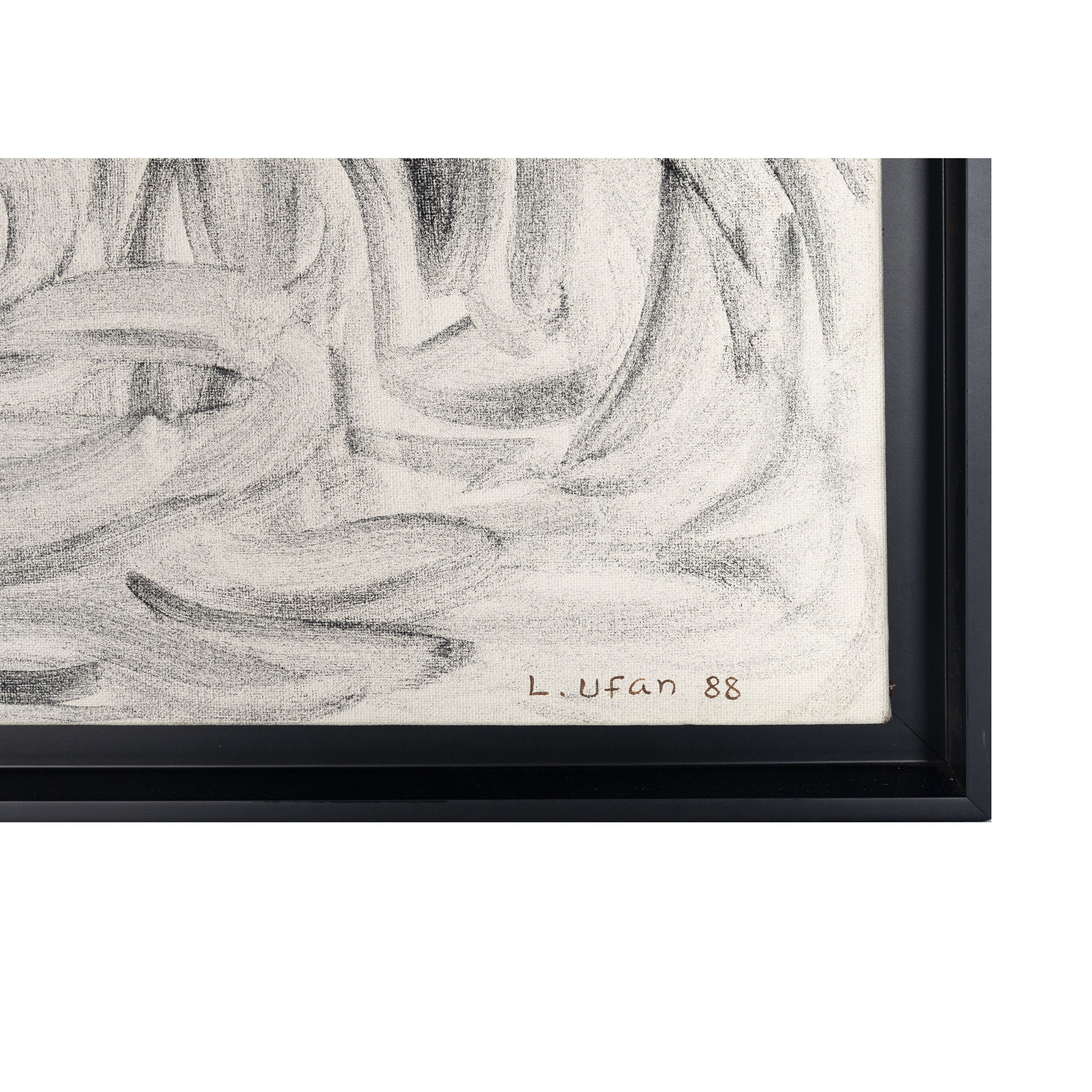
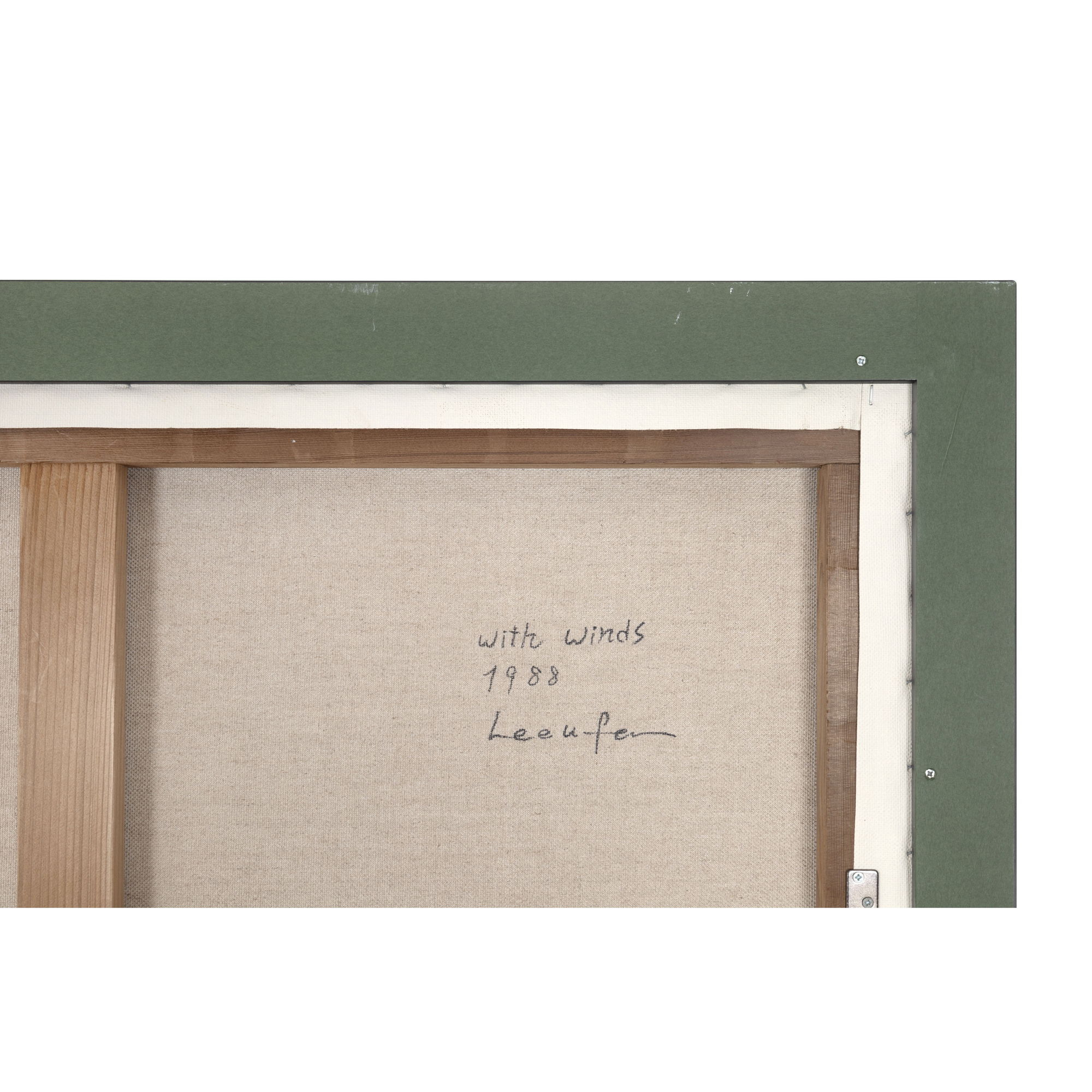
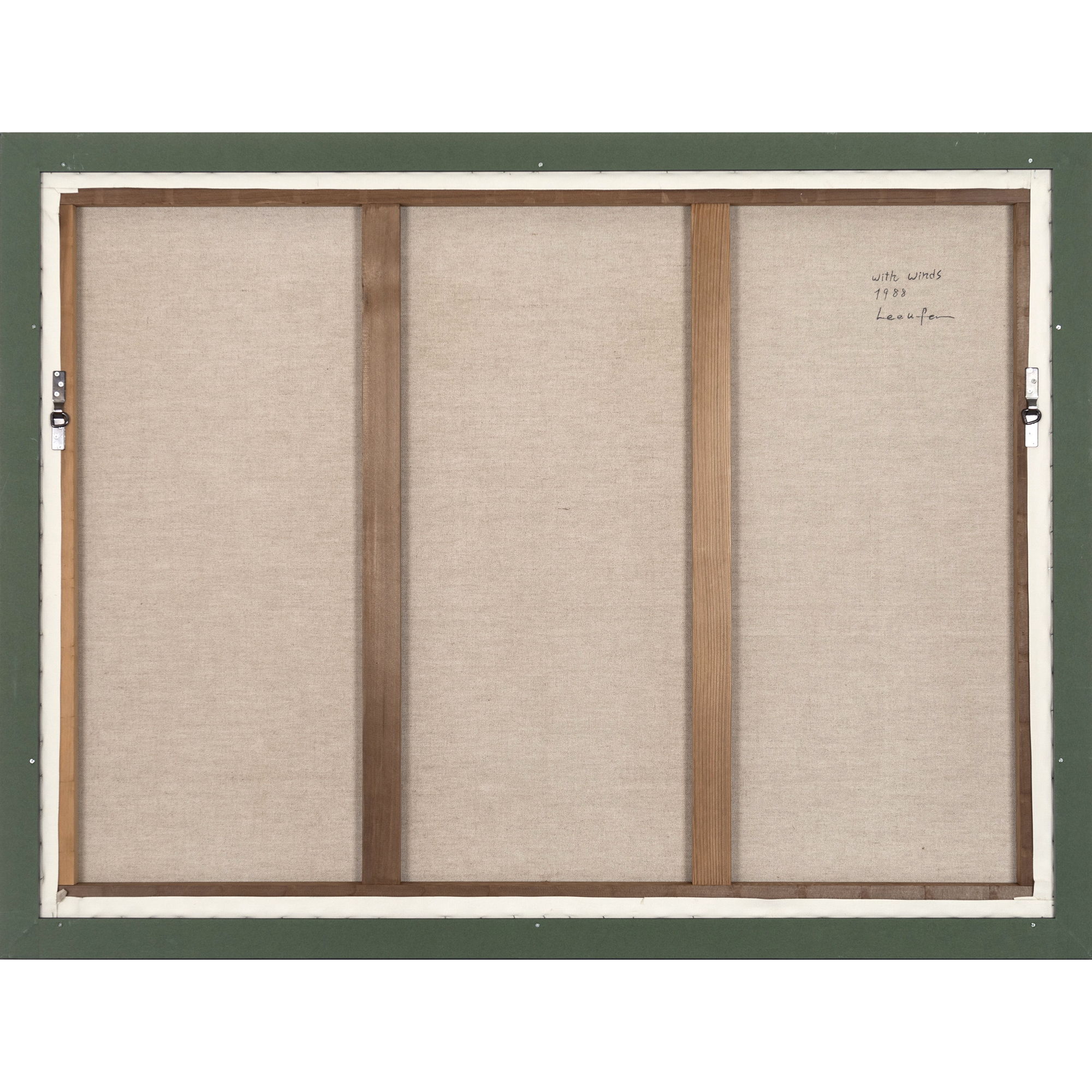
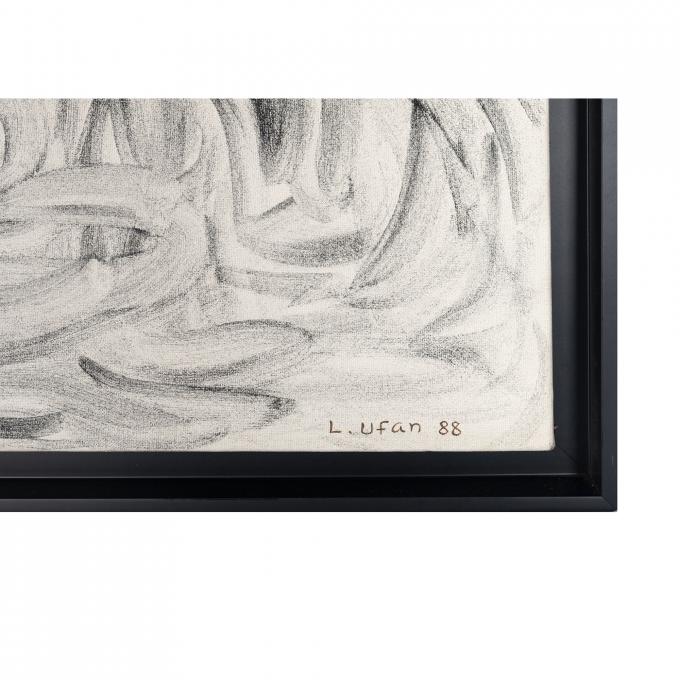
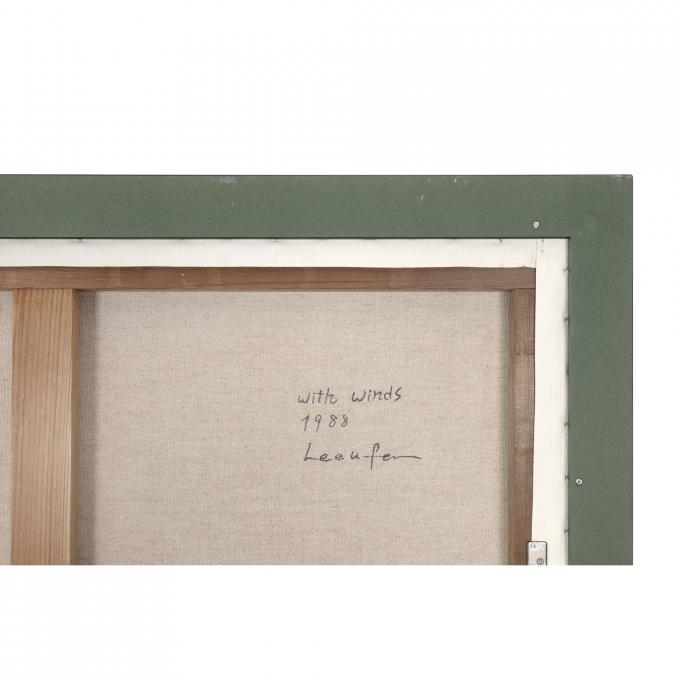
| Signature | signed and dated on the lower right; signed, titled and dated on the reverse |
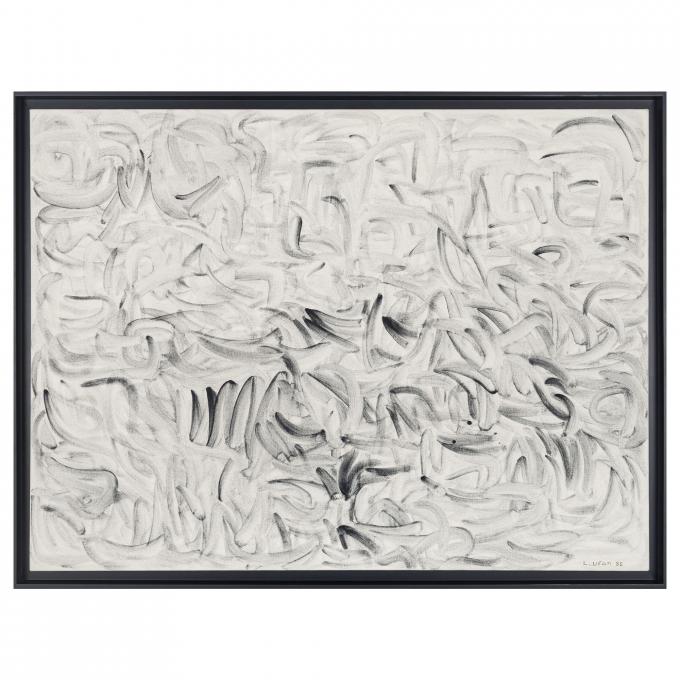
| Frame | framed |
| Size | 97.2×130.3 cm |
| Year of the work | 1988 |
HIGHLIGHT
Lee Ufan is a transnational artist, theorist, and philosopher active in Korea, Japan, and Europe, and a key figure connecting the Japanese Mono‑ha movement with contemporary East Asian art. With a cross-cultural and interdisciplinary perspective, he infused Eastern philosophy into minimalist art, responding to Western modernist influences while establishing an East Asian artistic thinking centered on “encounter,” “emptiness,” and “existence.”
As a foundational theorist of Mono‑ha, Lee proposed in the 1960s and 1970s that art is no longer merely an imitation of nature, but a genuine encounter between “objects,” “space,” and “viewers.” Mono‑ha emphasizes the interaction between materials, space, and viewers, exploring the essence of materials and spatial relationships rather than mere form or decoration.
From the 1970s, he gradually translated Mono‑ha’s spatial philosophy into painting, embarking on his signature minimalist explorations. Lee abandoned excessive imagery and color, employing simple brushstrokes, limited tones, and expansive areas of emptiness, continuing his reflection on the interaction between the artwork, its environment, and the viewer, resulting in a style that combines rationality with poetic sensibility.
The 1980s With Winds series exemplifies this approach: the canvases are unified by serene tones, with freely flowing brushwork and empty spaces that converse with each stroke, creating a tranquil and profound sense of order. Each mark reflects the direct interaction of the artist’s body, medium, and space, materializing the invisible force of “wind.” Within limited strokes and colors, Lee evokes boundless emptiness, embodying the aesthetic concept of “yohaku”(the Japanese aesthetic notion of “emptiness”) in Eastern philosophy. The works are both visual minimalism and spiritual meditation, emphasizing the interplay of existence, the flow of time, and spatial layers, inviting viewers into a contemplative and introspective artistic realm.