Hong Kong Spring Auction 2026


LOT 258
Moïse KISLING
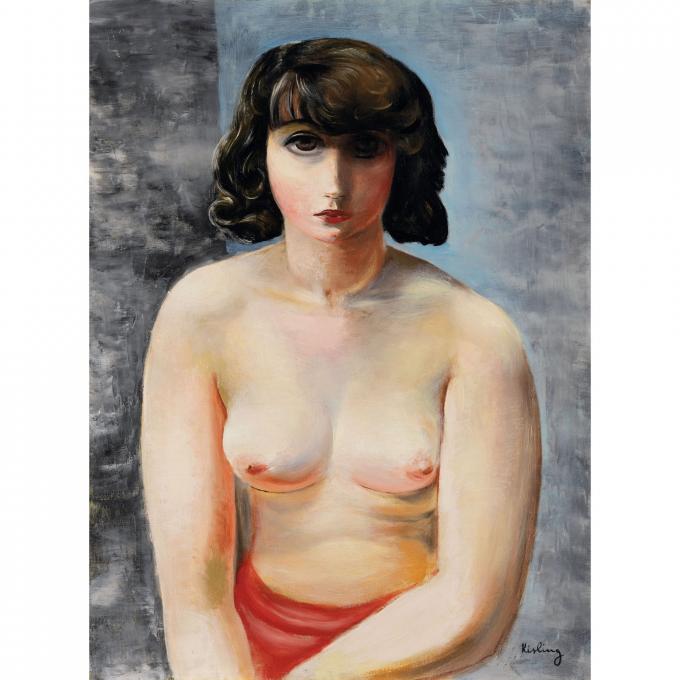
JEUNE FEMME EN BUSTE
| Technique | oil on canvas |
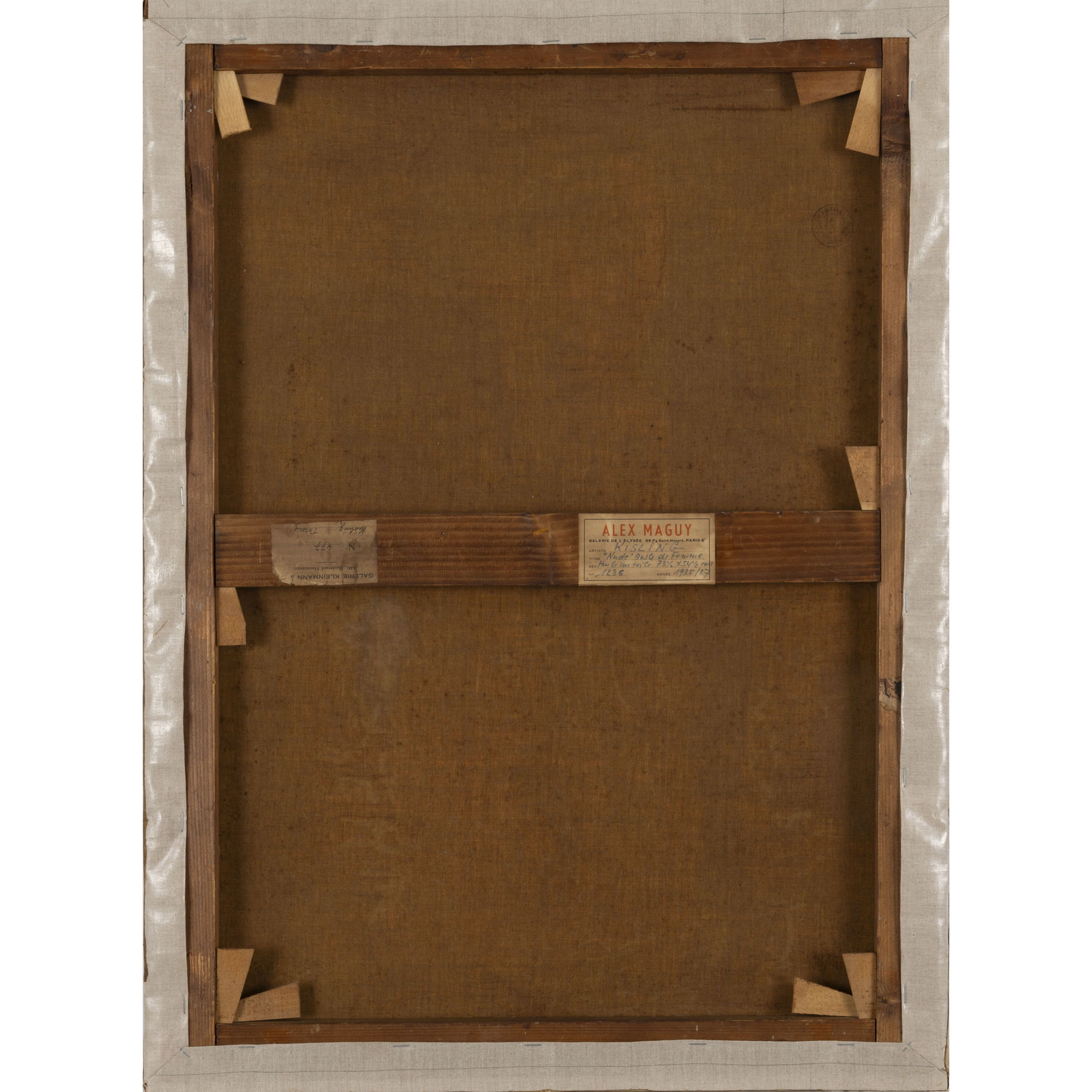
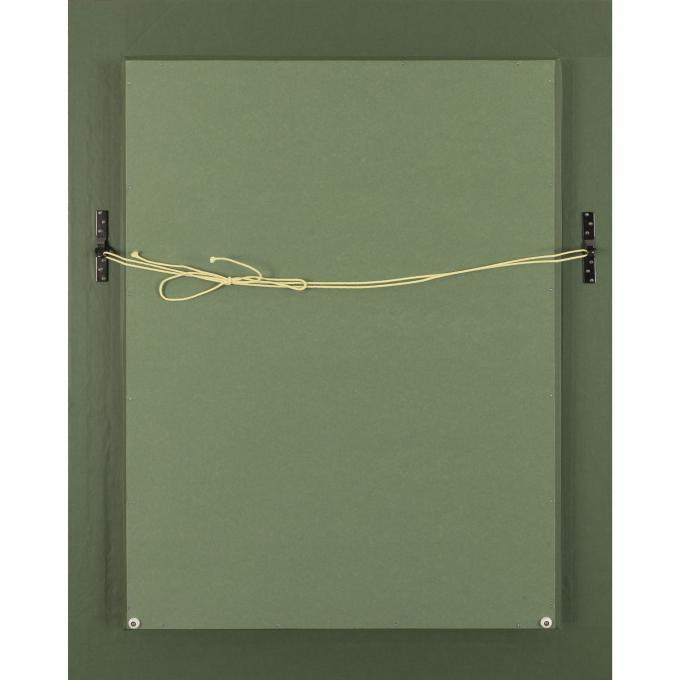
| Signature | signed on the lower right; "ALEX MAGUY""Galerie Kleinmann" labels affixed on the reverse |
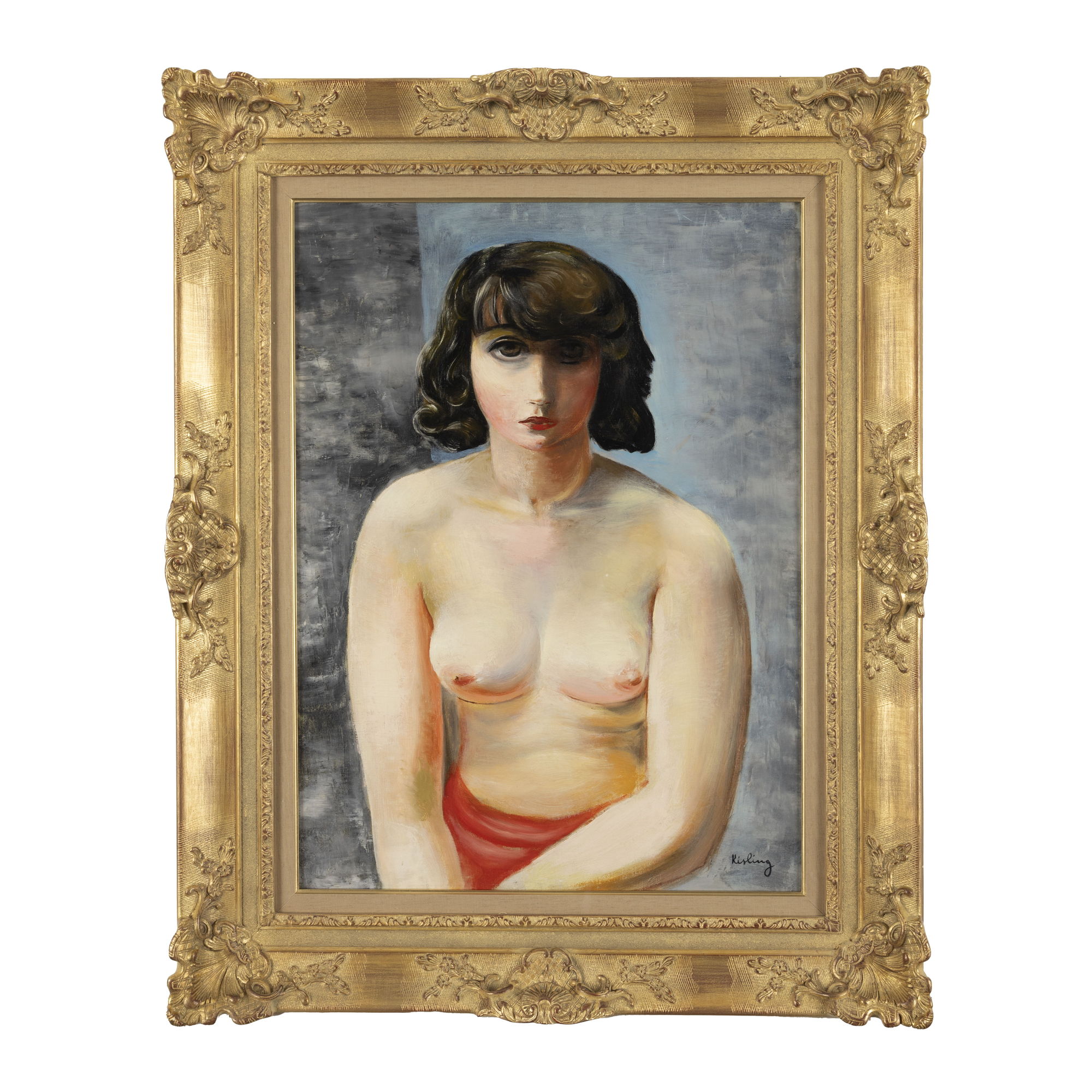
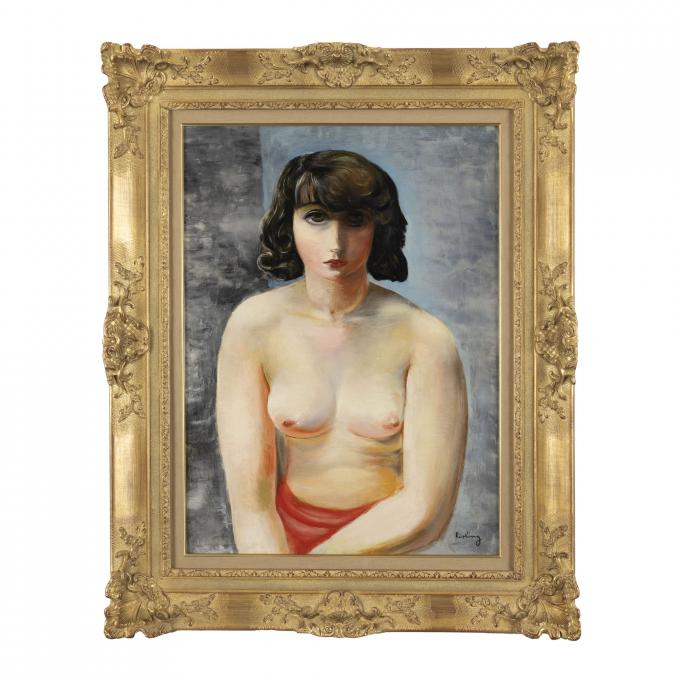
| Frame | framed |
| Size | 73.0×54.0 cm |
| Certificate | certificate of authenticity by Marc OTTAVI |
| Literature | This work will be included in the forthcoming Volume IV et Additifs aux Tomes I, II et III of the Moïse Kisling catalogue raisonné currently being prepared by Marc Ottavi. |
| PROVENANCE | Galerie de l'Eysée (Alex Maguy), Paris |
HIGHLIGHT
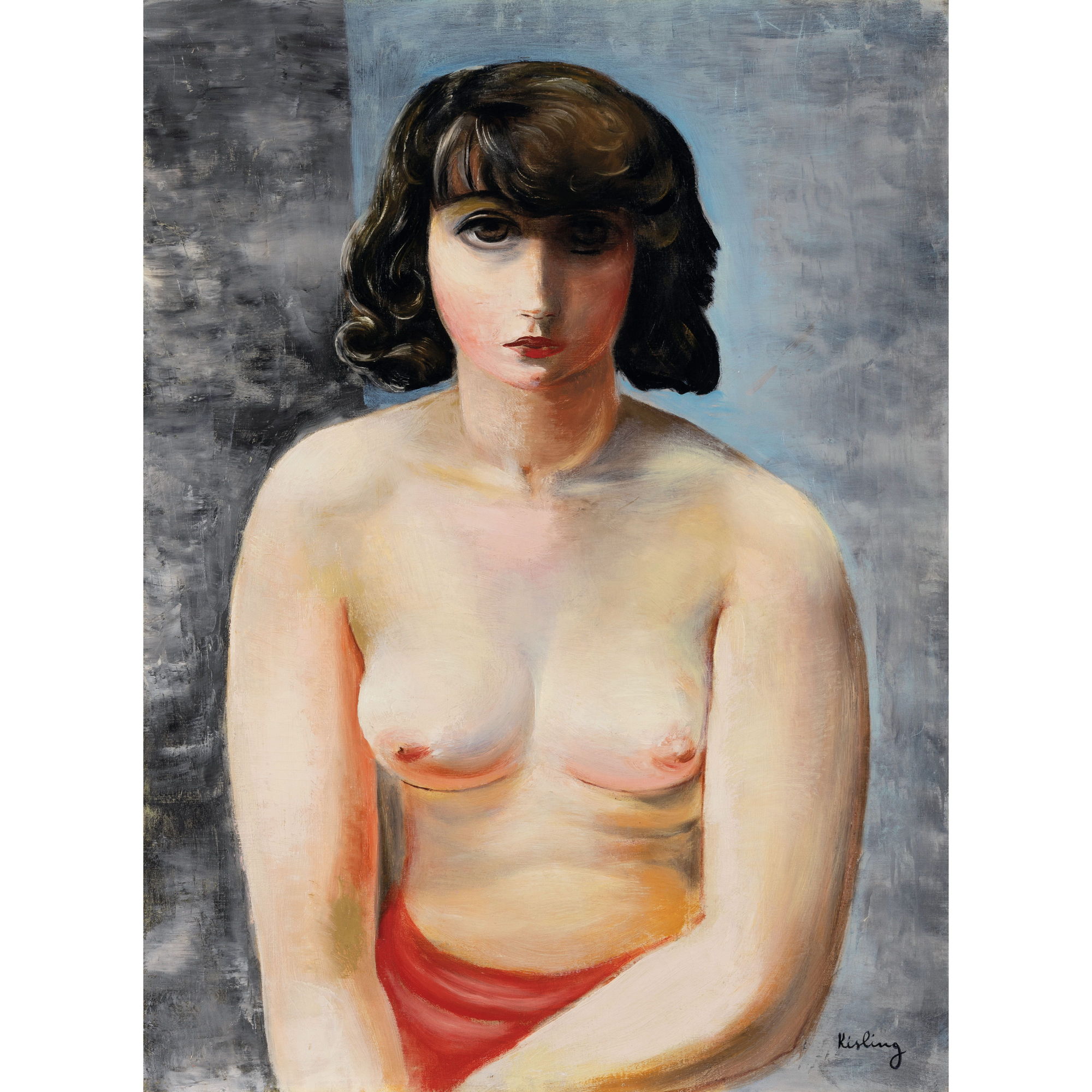
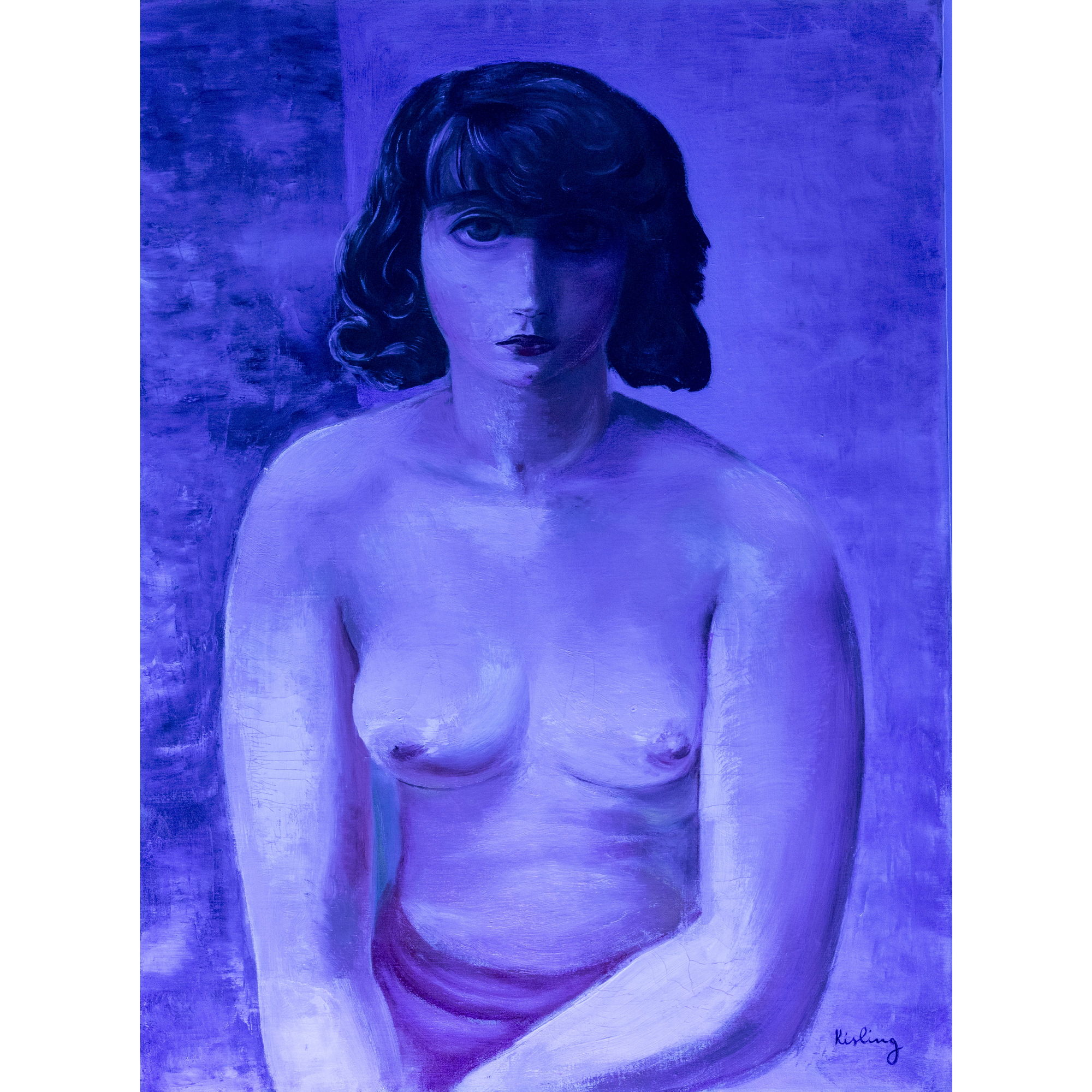
Jeune femme en buste, created circa 1930, may be regarded as a representative example of the artistic qualities of Moïse Kisling, an important painter associated with the École de Paris. The painting occupies a transitional position between the artist's prewar exploration of geometric construction and the softer figural language that would later characterize his mature style, and may therefore be considered a key work for understanding this shift in his artistic development.
In his artistic practice, Kisling was influenced by Pablo Picasso and Georges Braque through personal exchange, absorbing aspects of Cubism and experimenting with a constructive approach that reduced forms to geometric structures such as cones and rectangles. This structural awareness is clearly visible in the present work: the cool blue background, the material presence of the wall that stabilizes the figure, and the compositional arrangement that emphasizes volume all reflect the experimental tendencies of the artist's prewar period.
At the same time, the treatment of the female figure at the center of the composition reveals an almost translucent delicacy. The skin possesses a porcelain-like purity while simultaneously suggesting a subtle sensuality that seems to emanate from within. Against the blue ground, the vivid red lips and the red drapery at the waist create a striking contrast, introducing both vitality and visual tension while establishing a clear focal point within the composition. The shadow cast by the neatly cut fringe lends the figure's large eyes a sense of melancholy and mystery, further reinforcing the quiet and introspective presence of the sitter.
Yet the deeper significance of the painting may lie beneath this surface serenity. The subtly shadowed expressions that recur in Kisling's portraits quietly reflect the uneasy atmosphere of Europe in the years leading up to the Second World War. Through a gaze that transcends national or ideological boundaries, the artist presents the human figure as an individual presence, allowing the work—beyond its historical context—to evoke profound emotional resonance and a vivid awareness of lived existence for contemporary viewers.
CONDITION REPORT